A human-powered AI chatbot service for modern businesses
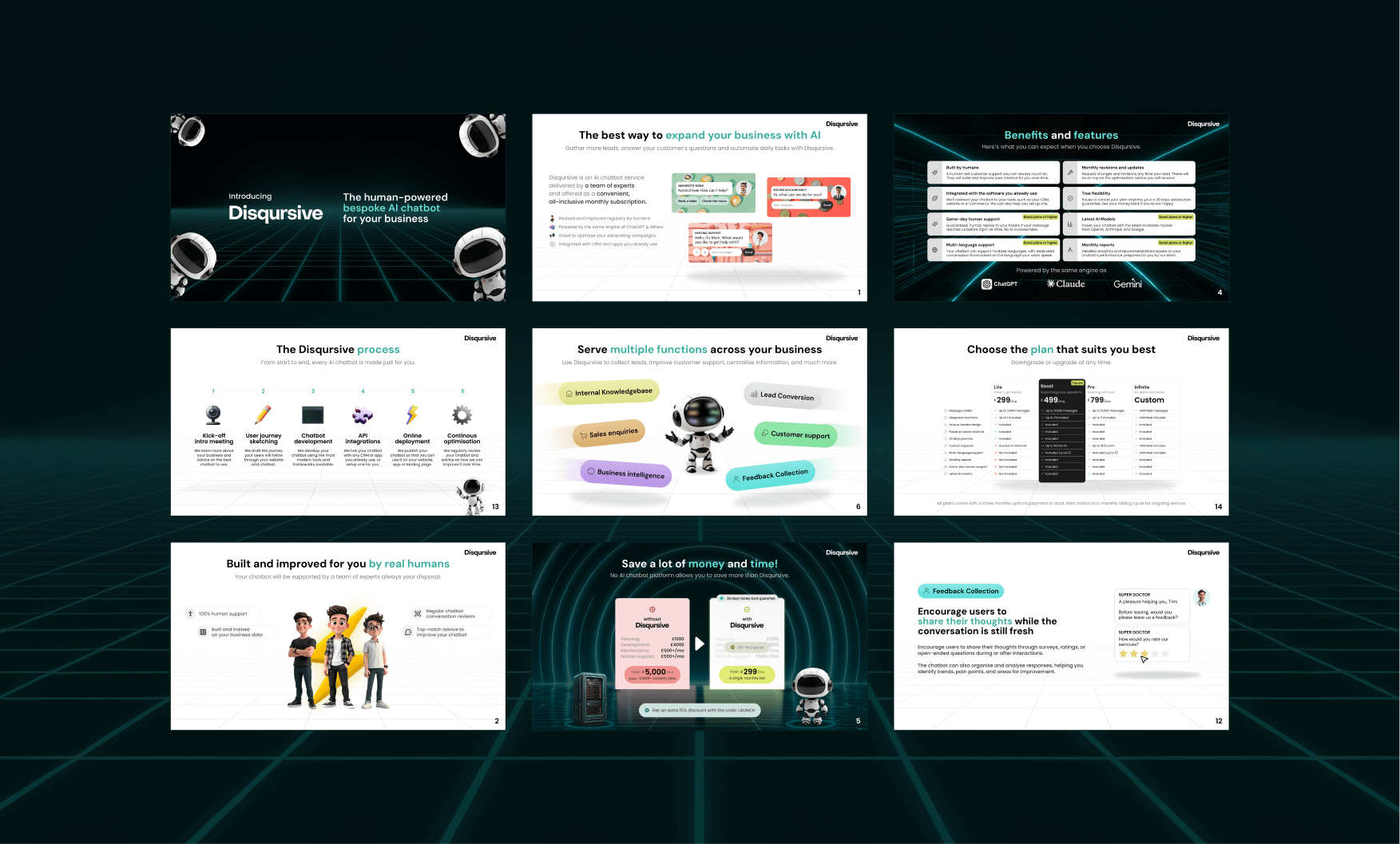
I led the end-to-end design of Discursive, taking an early-stage idea and turning it into a clear, sellable MVP. The work spans research, service definition, branding, product design and motion.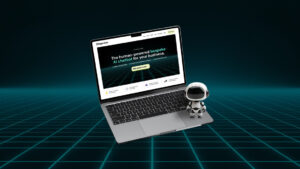
Roadmap definition: from idea to MVP
Discursive started as an early-stage idea: a human-powered AI chatbot service designed for businesses with enough traffic to benefit from automation.
The goal was to take this concept from 0 to 1, a presentable, sellable MVP and this meant defining:
- Defining the service and pricing model
- haping the brand and value proposition
- Designing a focused product experience
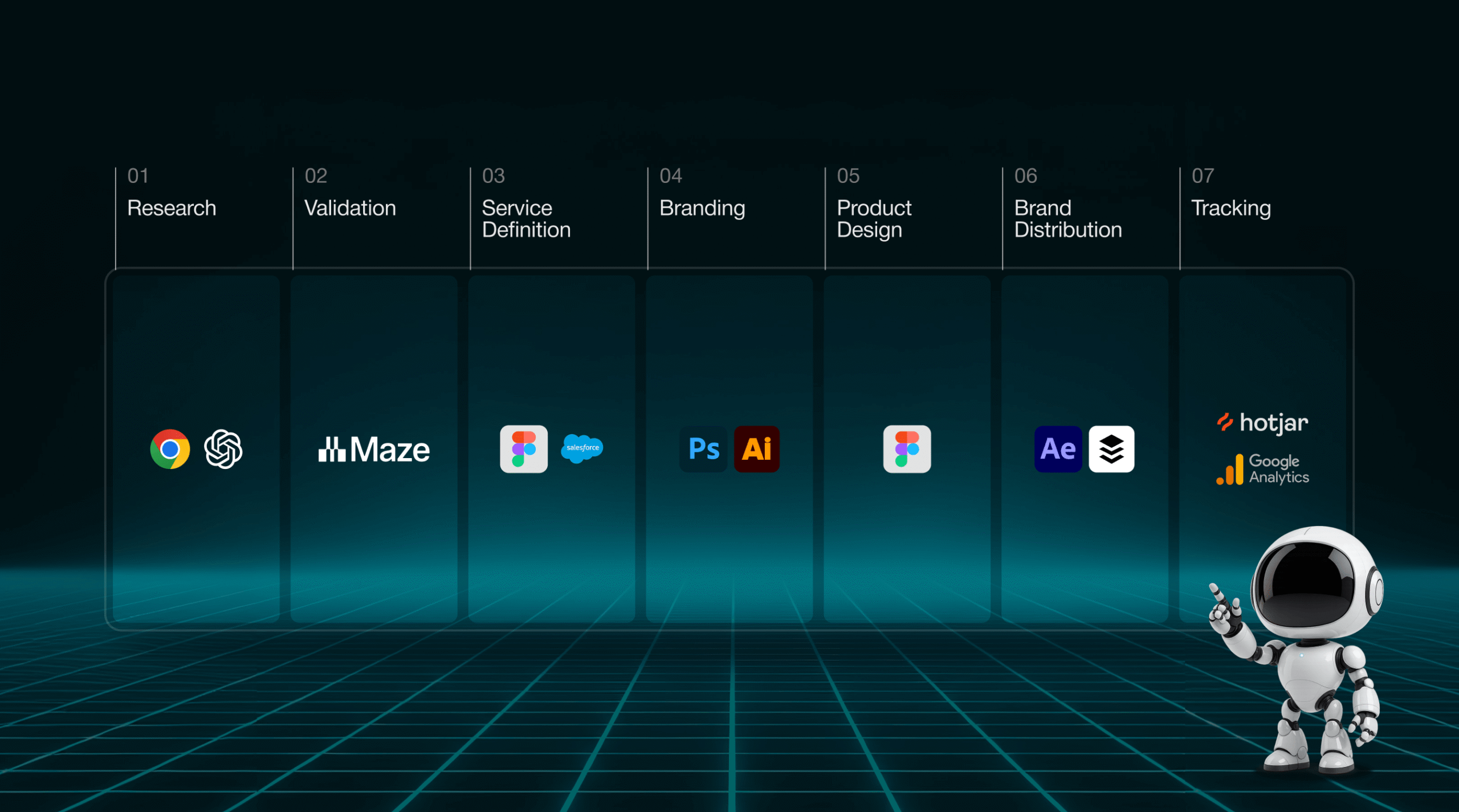
Rather than focusing on isolated deliverables, the project was approached holistically: from research and service definition to branding, product design and early launch assets.
02
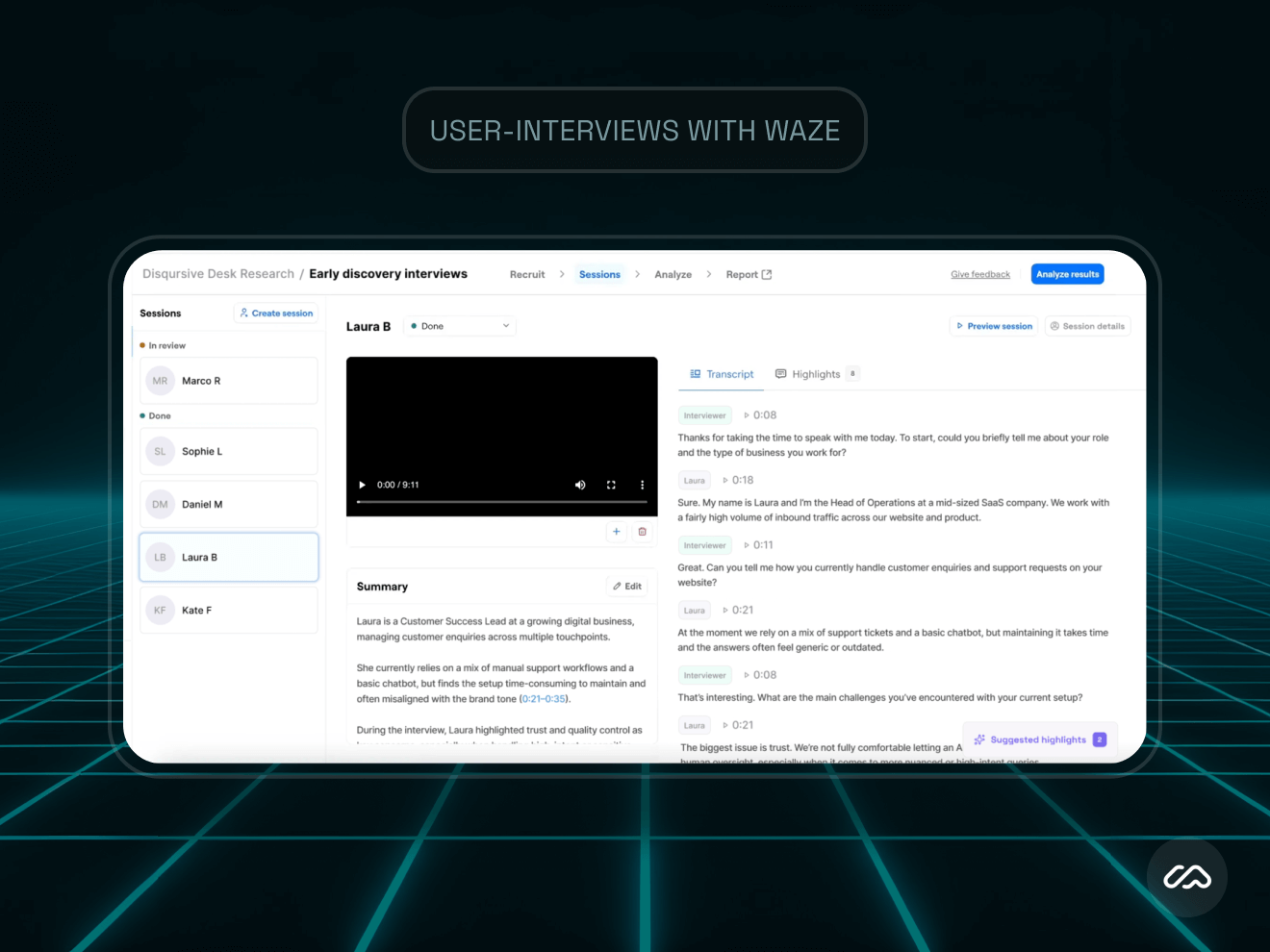
Research and insights: validating a human-powered AI model
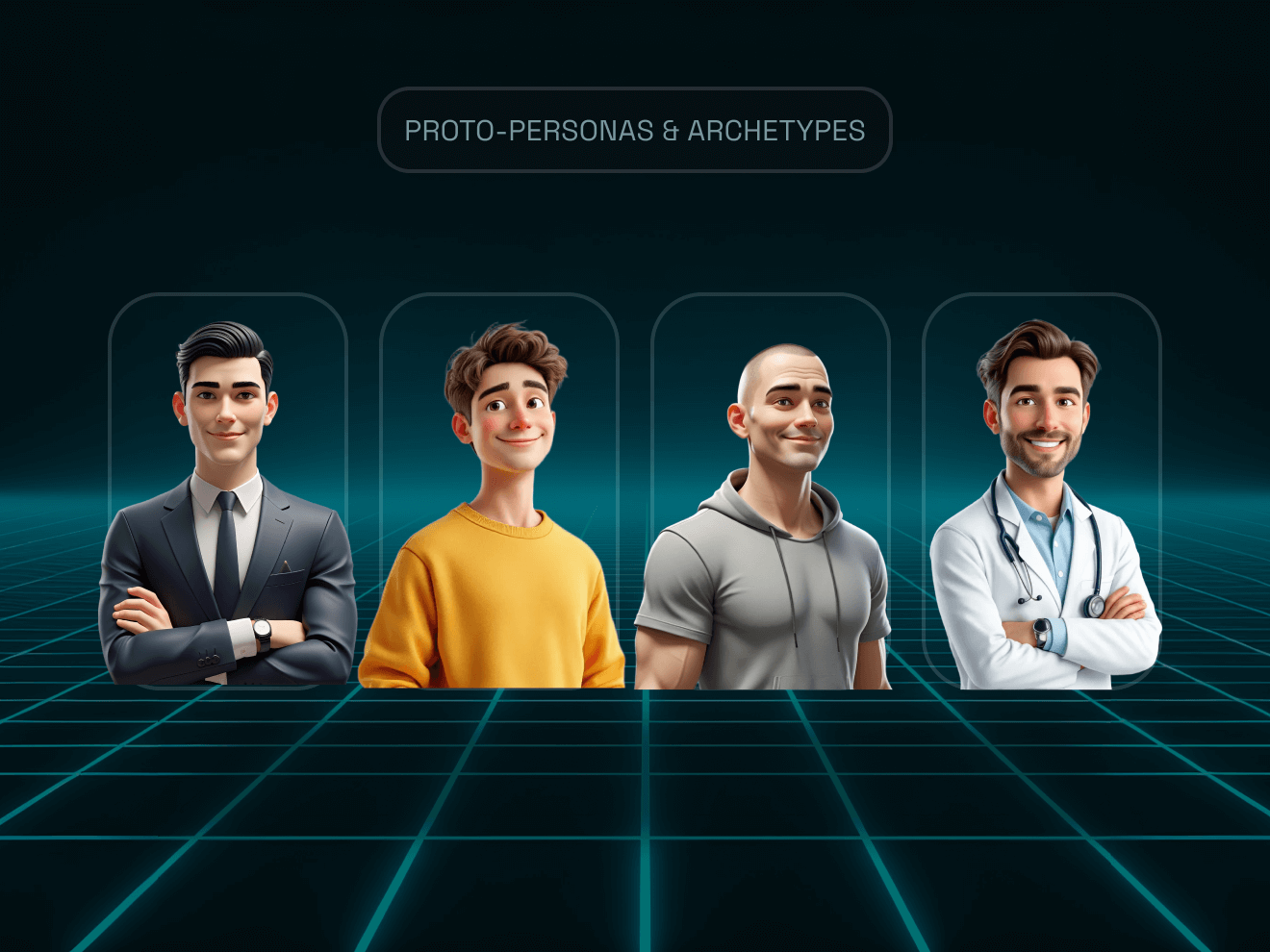
The project began by framing the unknown. I mapped initial assumptions around potential users, value proposition and key risks, then reviewed comparable services and early competitors to identify patterns and gaps.
Early signals showed that the main challenges were not technical, but related to trust, clarity and onboarding. This insight helped narrow the target audience and reinforced the need to position Discursive as a human-powered service rather than a self-serve AI tool.
These findings shaped the direction of the MVP and informed decisions across service design, branding and product experience.
03
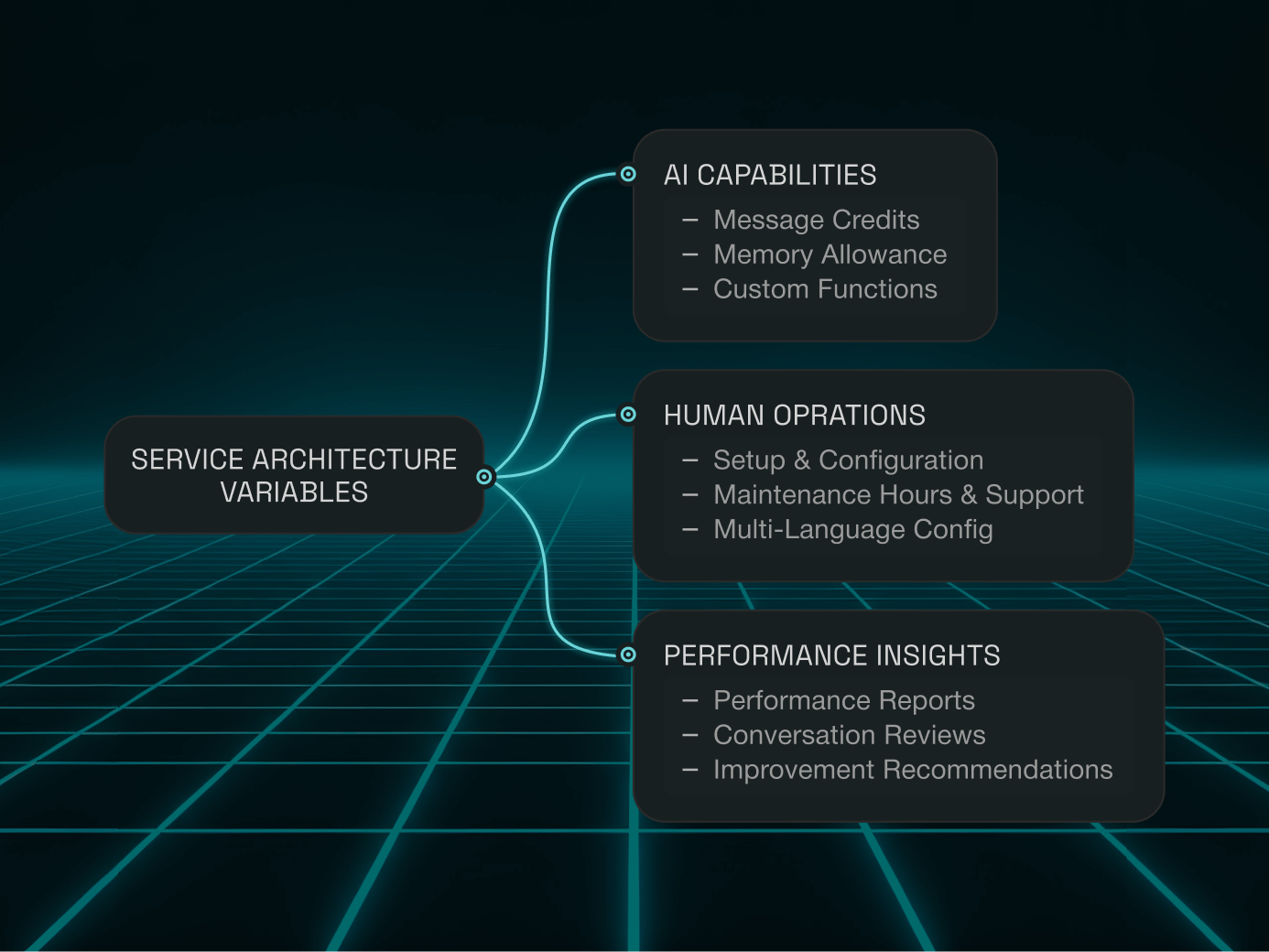
Service definition: pricing, operations and packages
Based on early research insights gathered through Maze, it became clear that Discursive’s core value proposition was being structured as a service, not a standalone product.
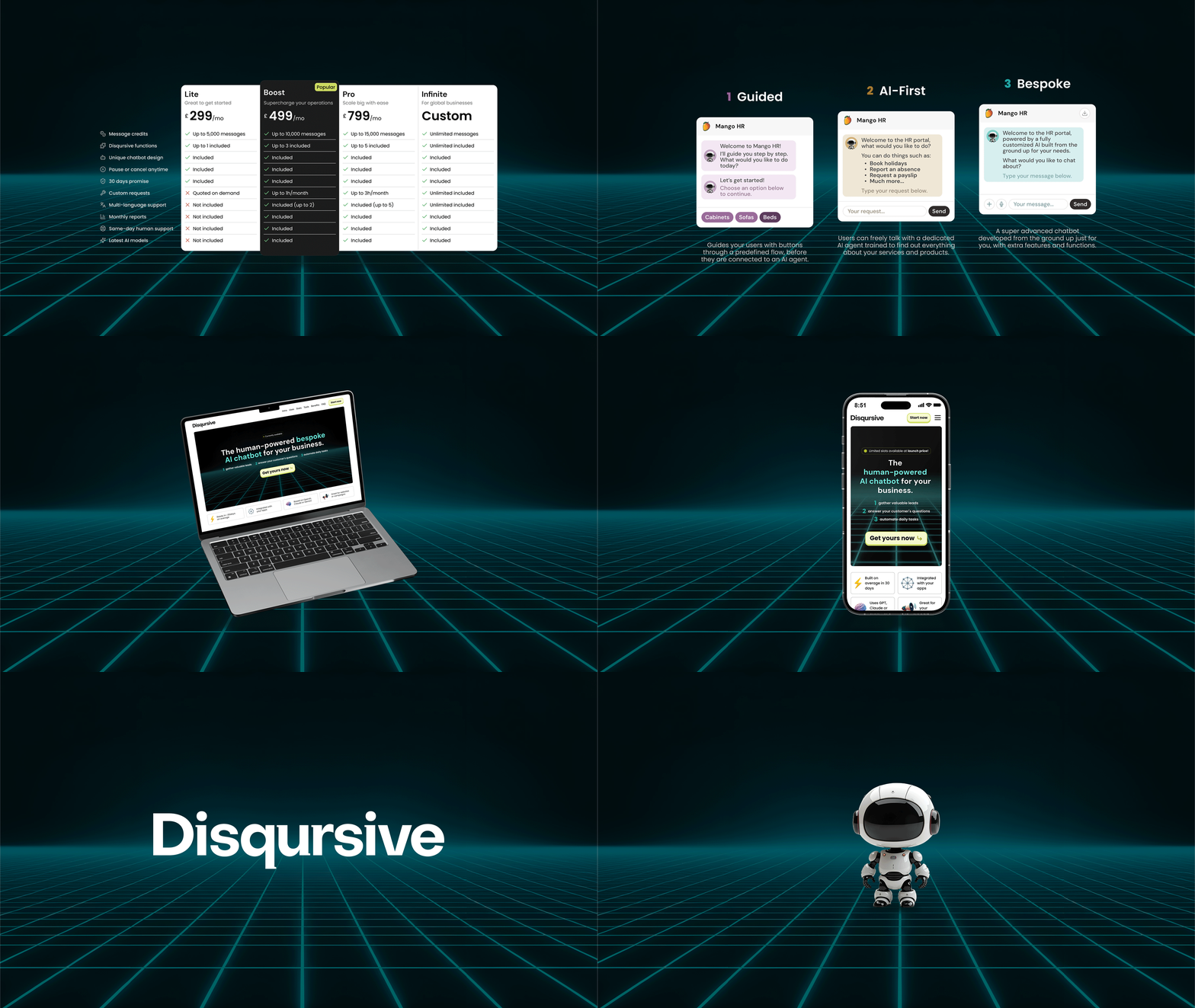
I defined a set of tiered packages with clear differences in scope, balancing AI automation with human configuration, reporting and ongoing support. Pricing was kept transparent and value-based, making it easy to understand what was included and when upgrading would make sense.
The result was a realistic service model designed to be manageable at MVP stage, while remaining scalable over time.

04
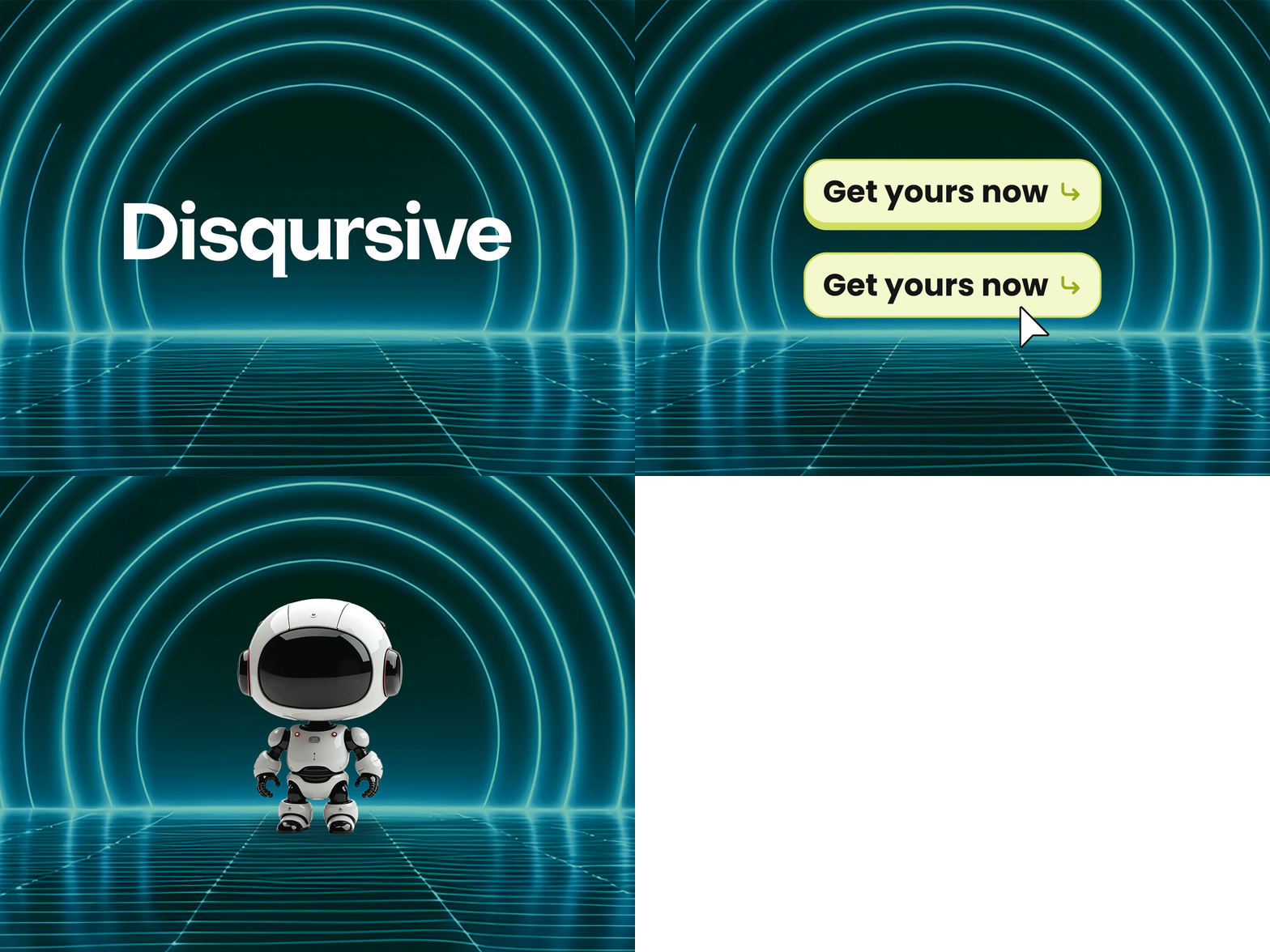
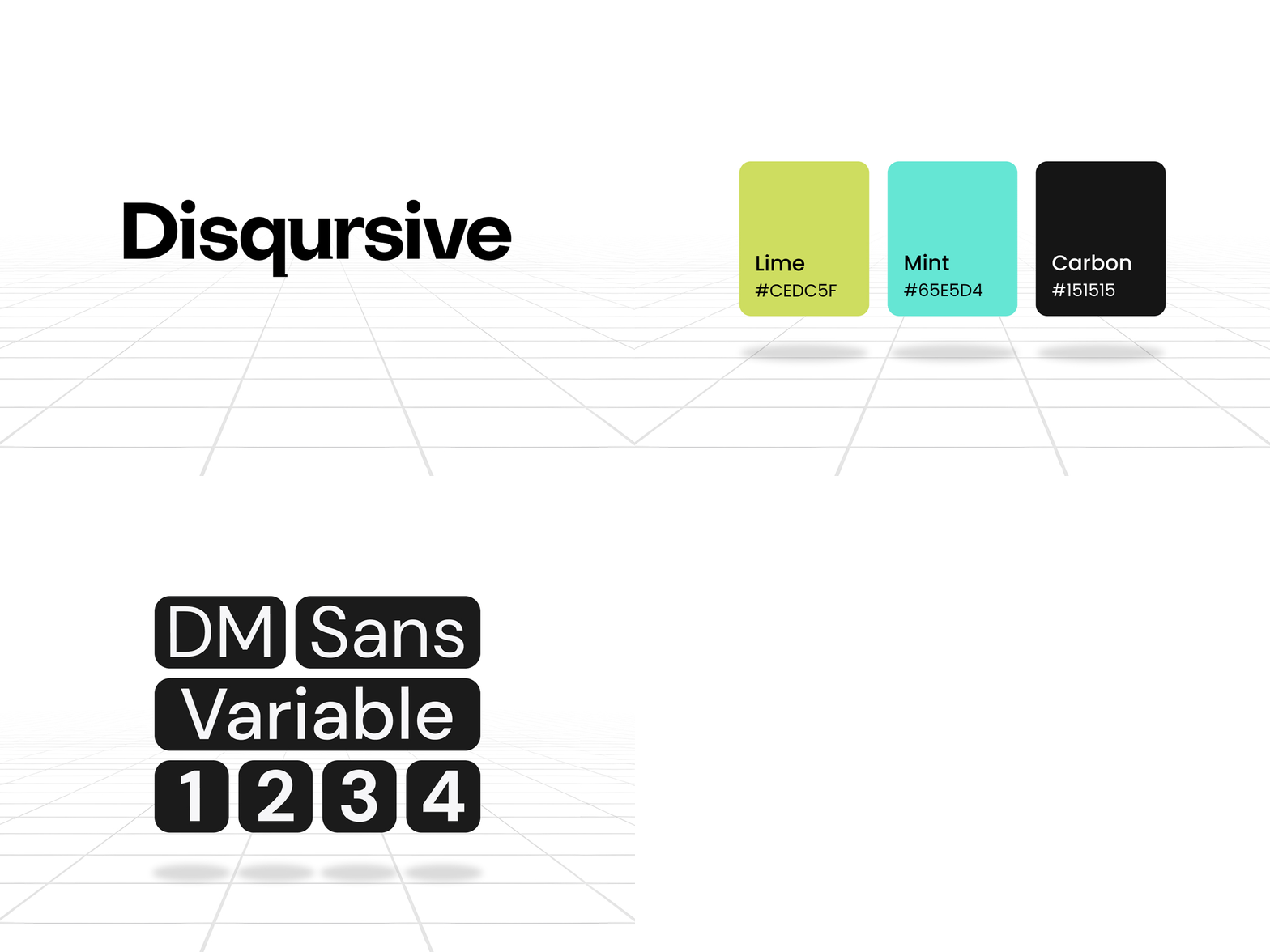
Visual identity: designing a trust-first AI brand
The visual identity was designed to feel approachable, professional and trustworthy, intentionally avoiding abstract or overly technical aesthetics common in the AI space.
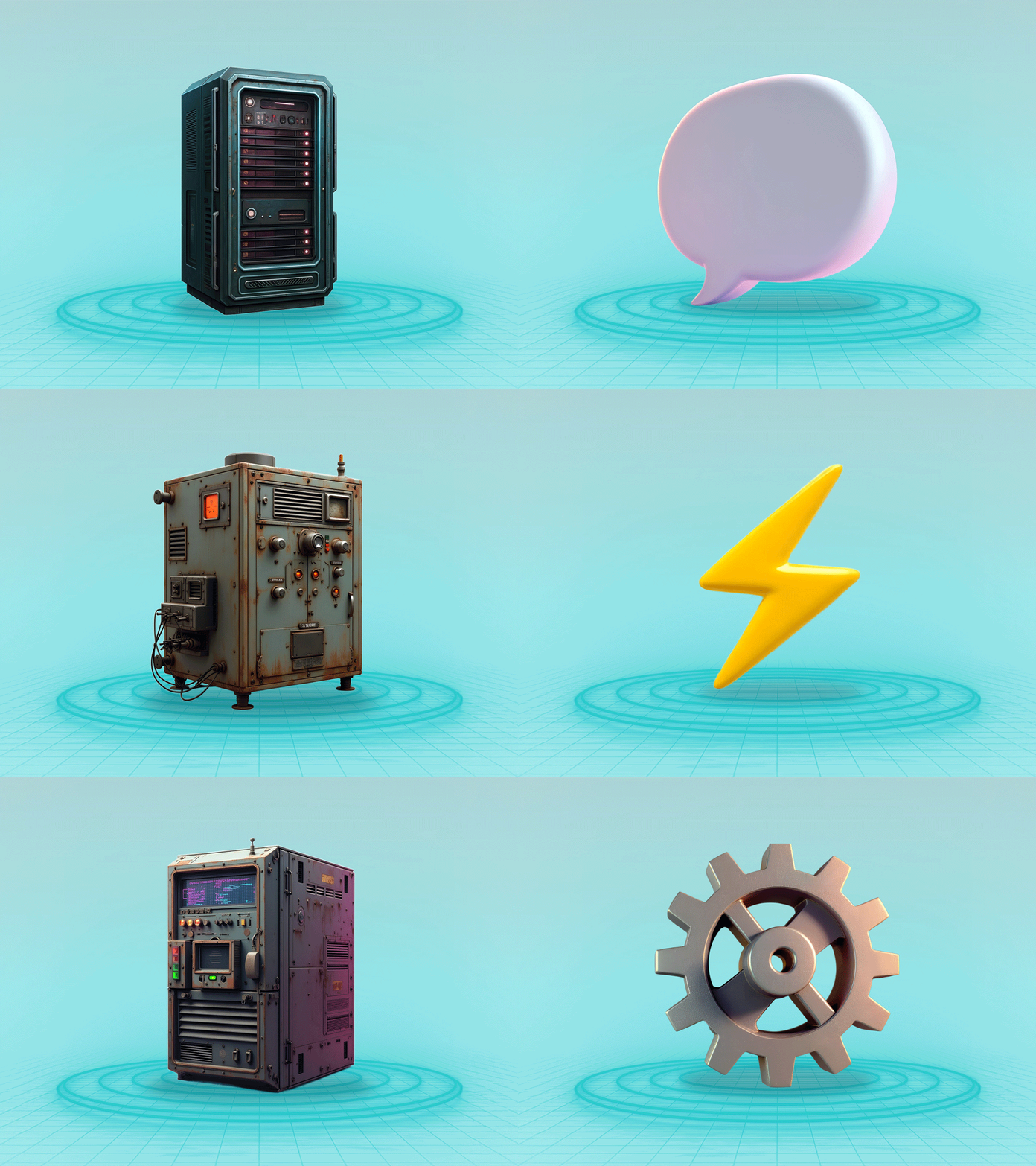
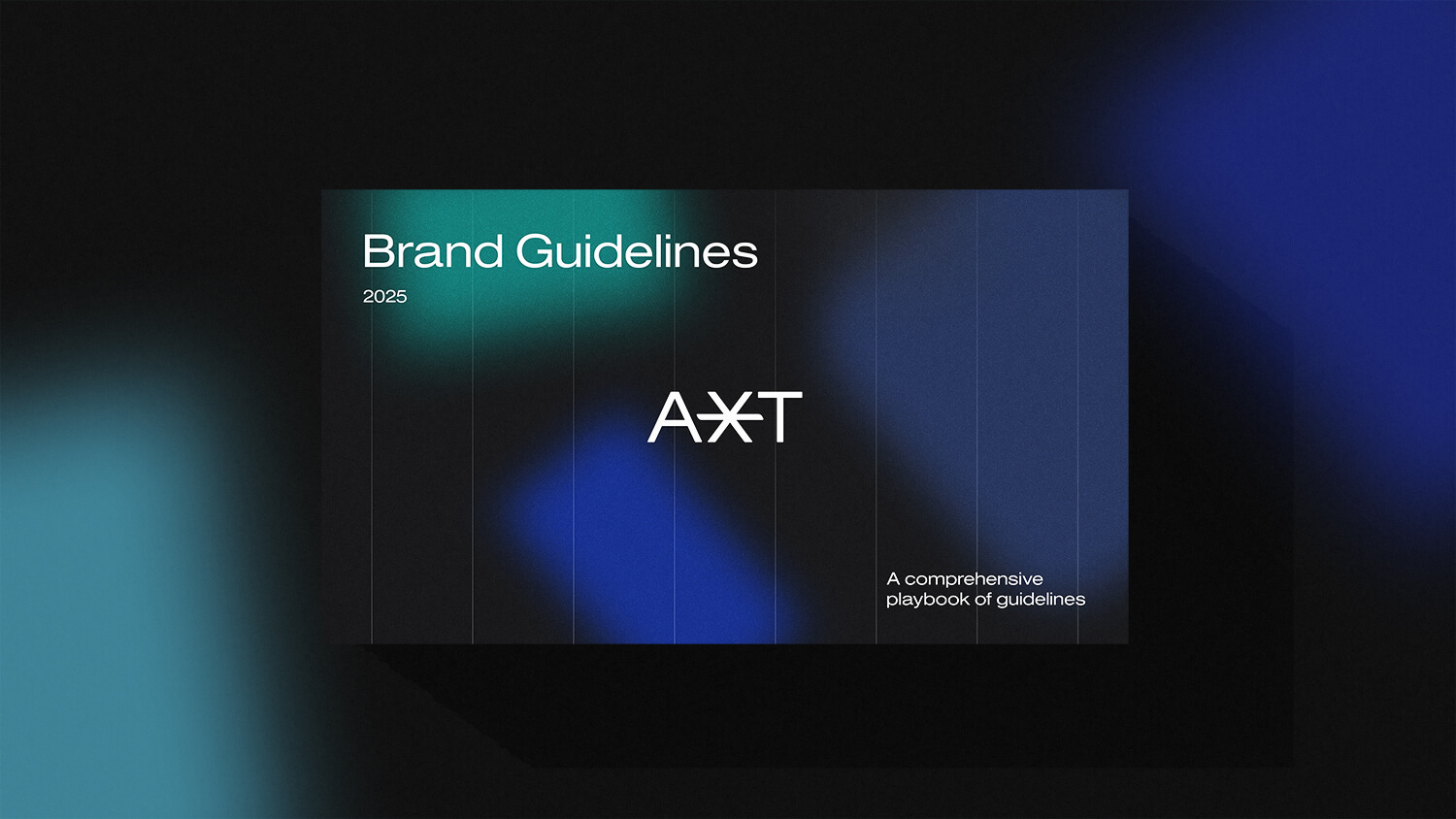
I defined the core branding foundations, including logo, colour palette, typography and overall visual language. The goal was to support clarity and confidence, ensuring the brand could communicate the human-led nature of the service at a glance.
These foundations set the tone for both the product and all supporting assets.
05
Character-driven branding: scalable with AI tools
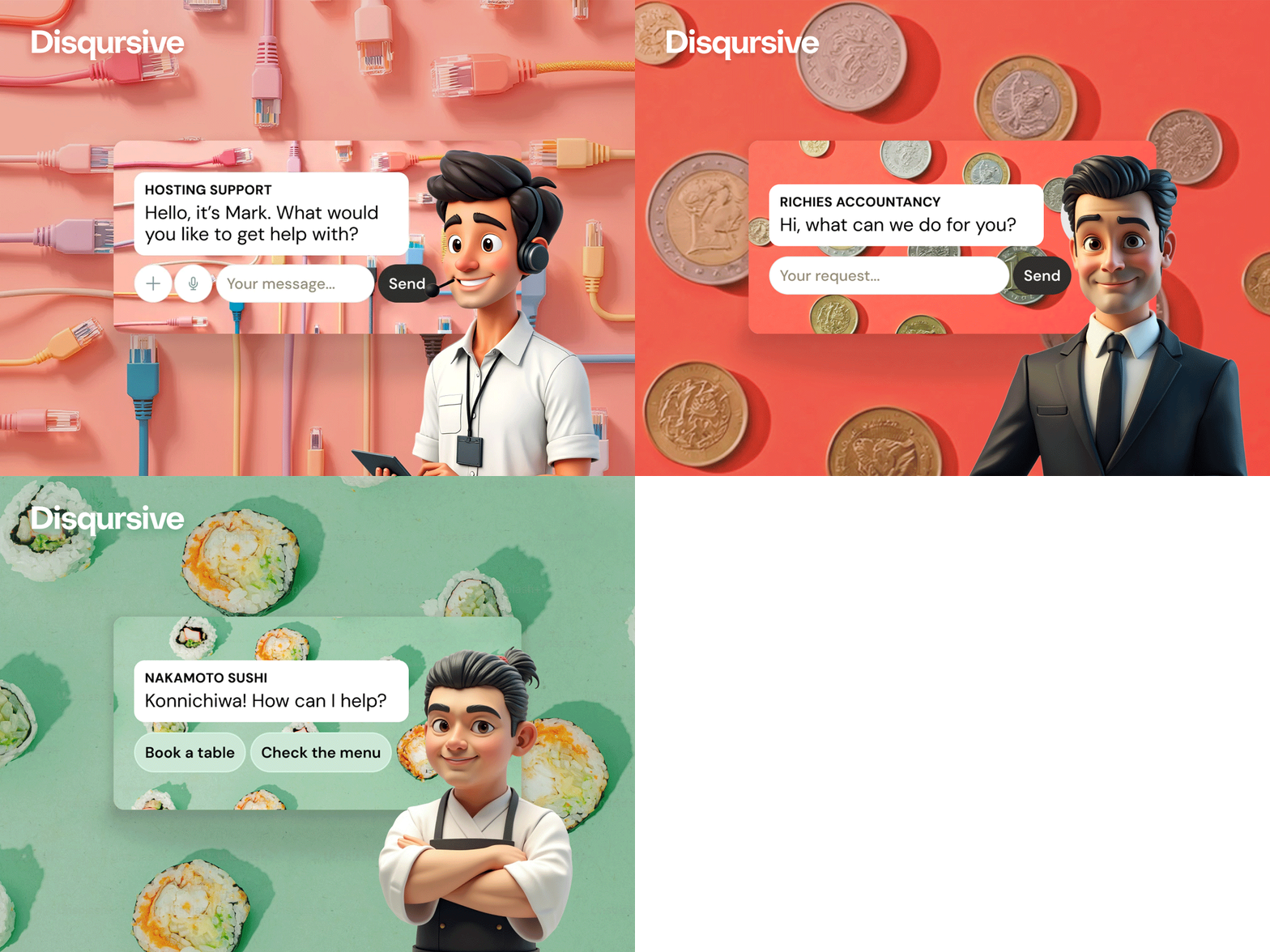
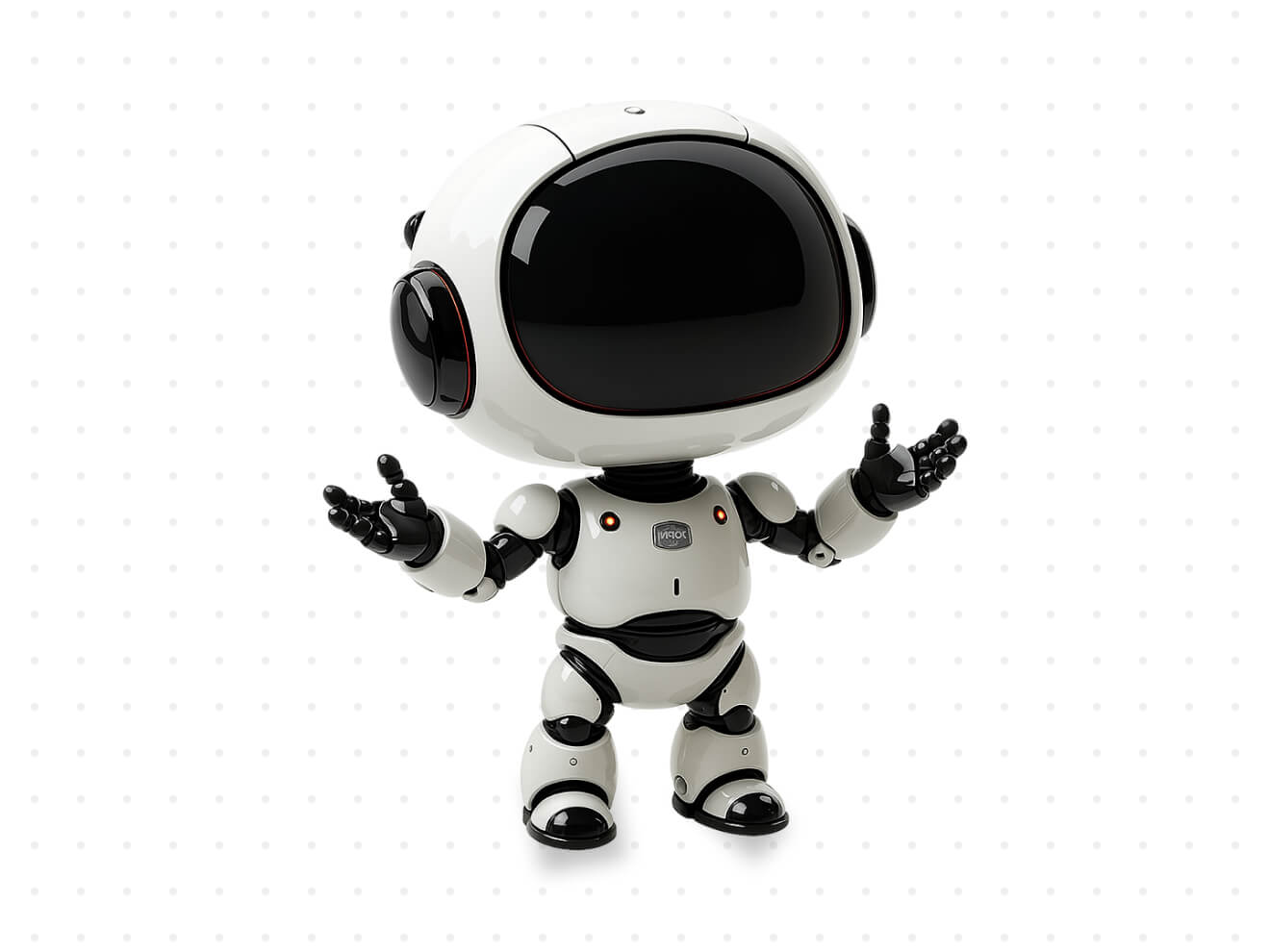
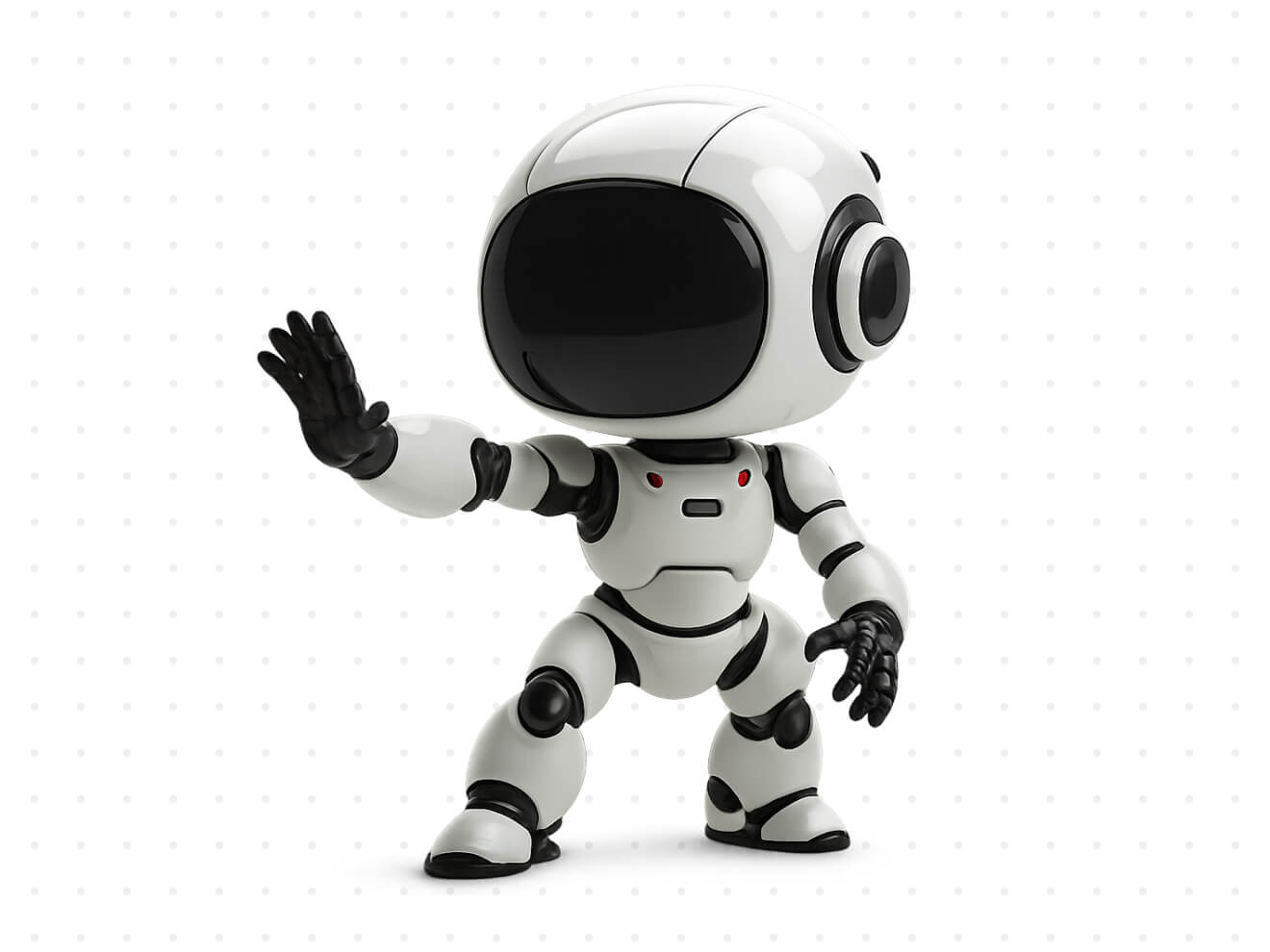
To reinforce trust and memorability, I explored the idea of introducing a mascot as part of the brand identity, a recognisable figure that could represent the service itself rather than a founder or personal brand.
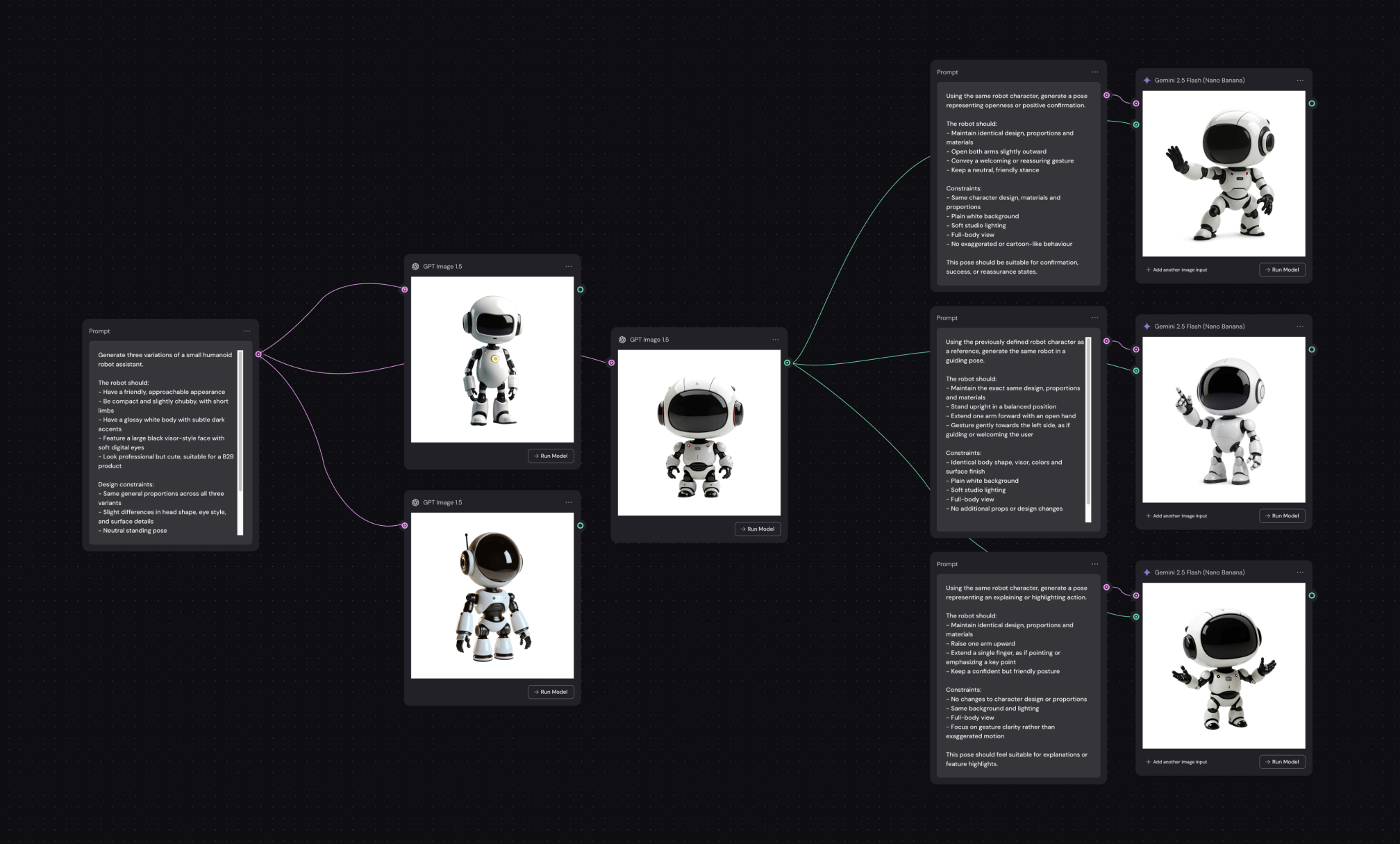
This led to the concept of a fictional assistant, the “Discursive guy”: a friendly, reliable presence acting as the face of the service. AI tools were used to quickly explore visual directions and define a core character, allowing for fast iteration at an early stage.
Once the character was defined, I used Weavy to design a lightweight workflow that made it possible to generate consistent poses and states without relying on complex 3D production. This approach kept the system flexible, scalable and well suited to an MVP with limited resources.
06
Product experience: the two key user touchpoints
Awareness
Mini-site
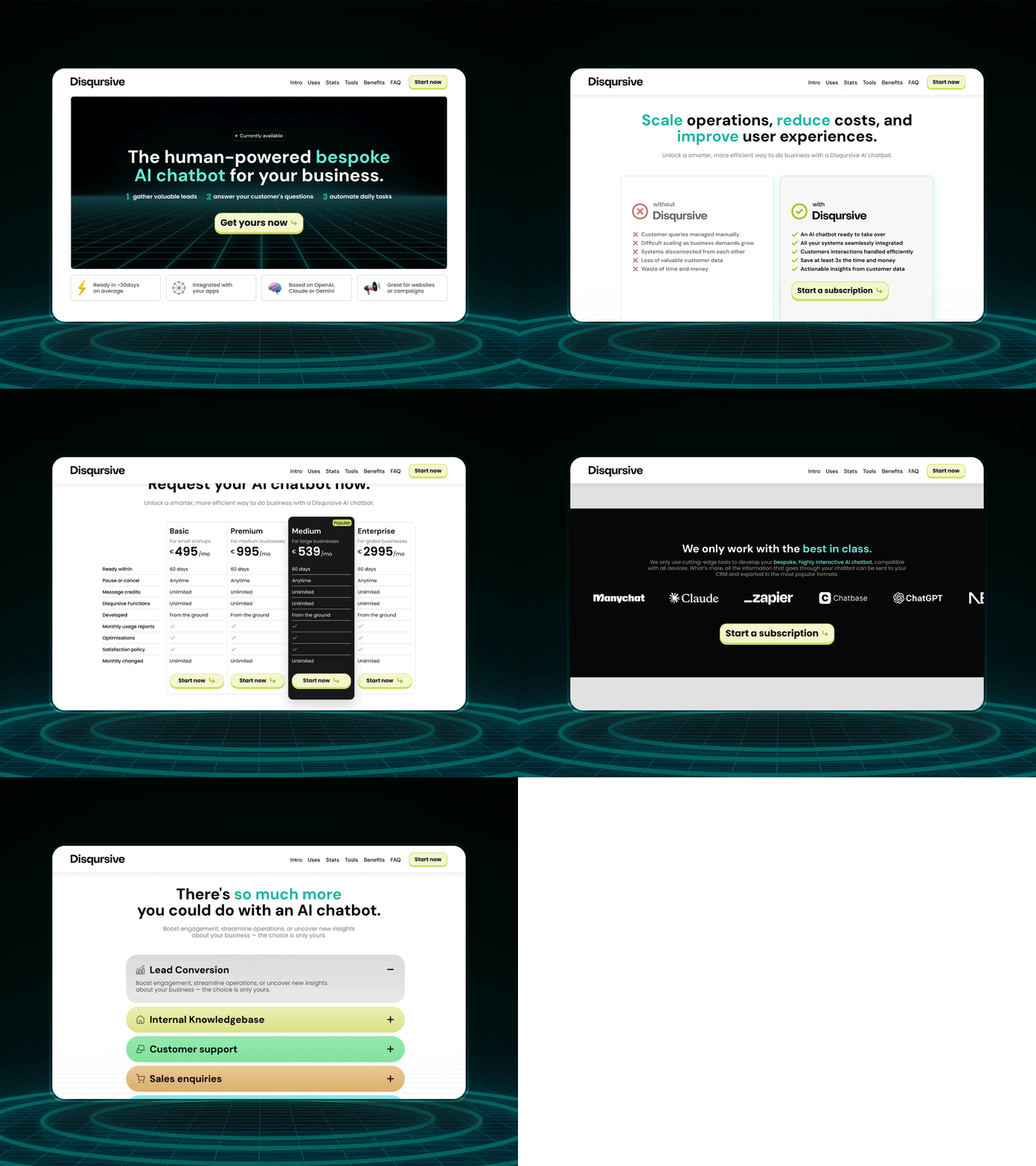
The service was translated into a narrative-driven one-page mini-site designed to clearly position Discursive and qualify interest.
Rather than treating the page as a simple landing, I designed it as a structured story: starting from the core value proposition, moving through use cases, benefits and social proof, and gradually introducing pricing and service tiers.
Each section was intentionally sequenced to answer a specific user question: What is this? Is it relevant for my business? Why is it different? What do I get? Without overwhelming visitors with technical detail.
The result is a clear and confidence-building experience that communicates the value of the service quickly and prepares users for a considered conversion.
Conversion
Purchase flow
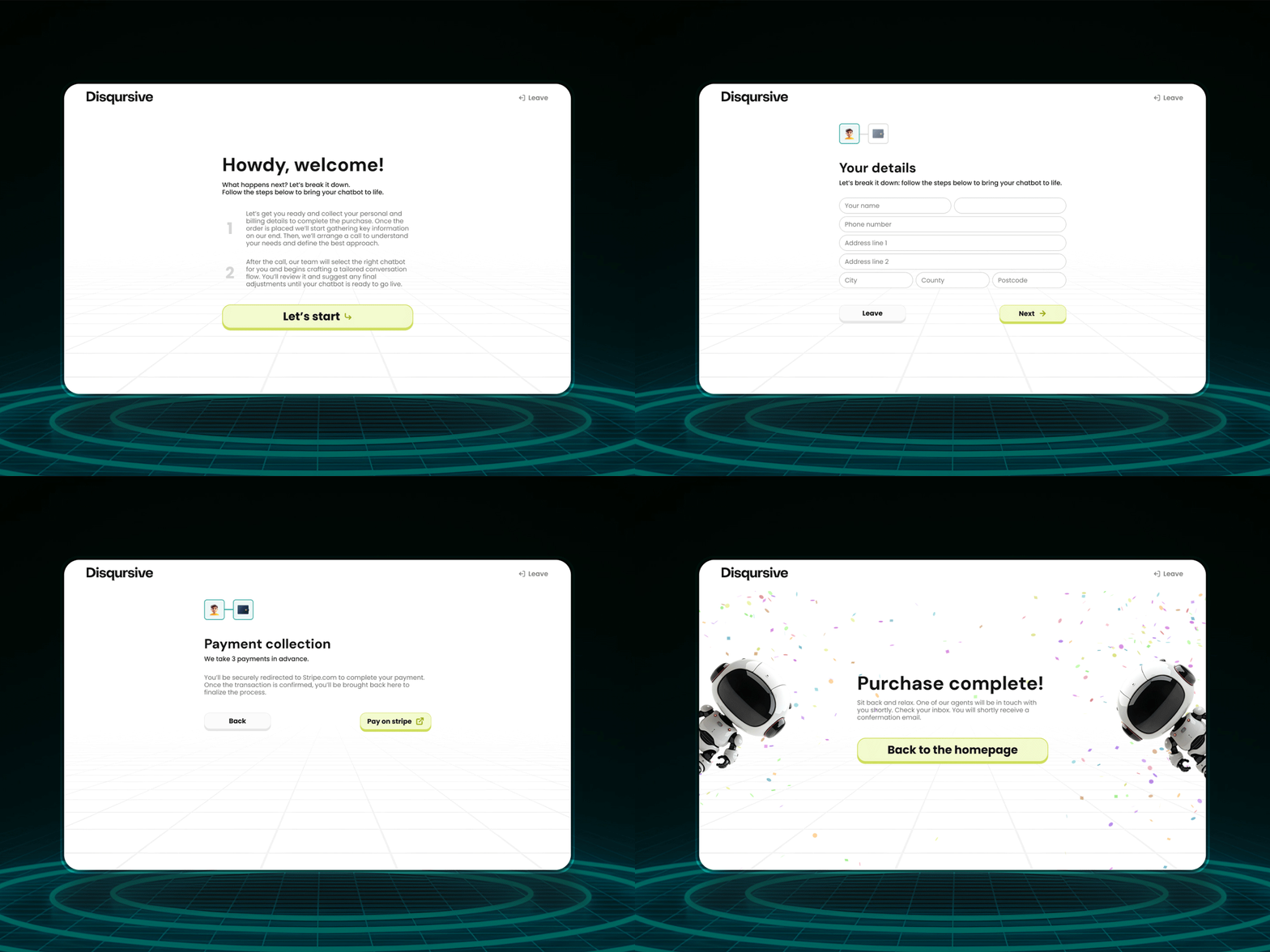
The conversion flow was intentionally kept short and focused.
Based on early research insights, I avoided long forms or complex self-serve onboarding. The target audience was time-poor, and the service itself relied on an initial human setup rather than full automation.
For this reason, the flow was designed around a single, linear path: plan selection, payment, and a lightweight information capture, followed by a human-led onboarding call.
Rather than acting as a traditional checkout, the flow works as a soft commitment: it filters serious intent, reduces friction, and reinforces Discursive’s positioning as a human-powered service rather than a plug-and-play product.
07
Motion & assets: bringing the brand to life
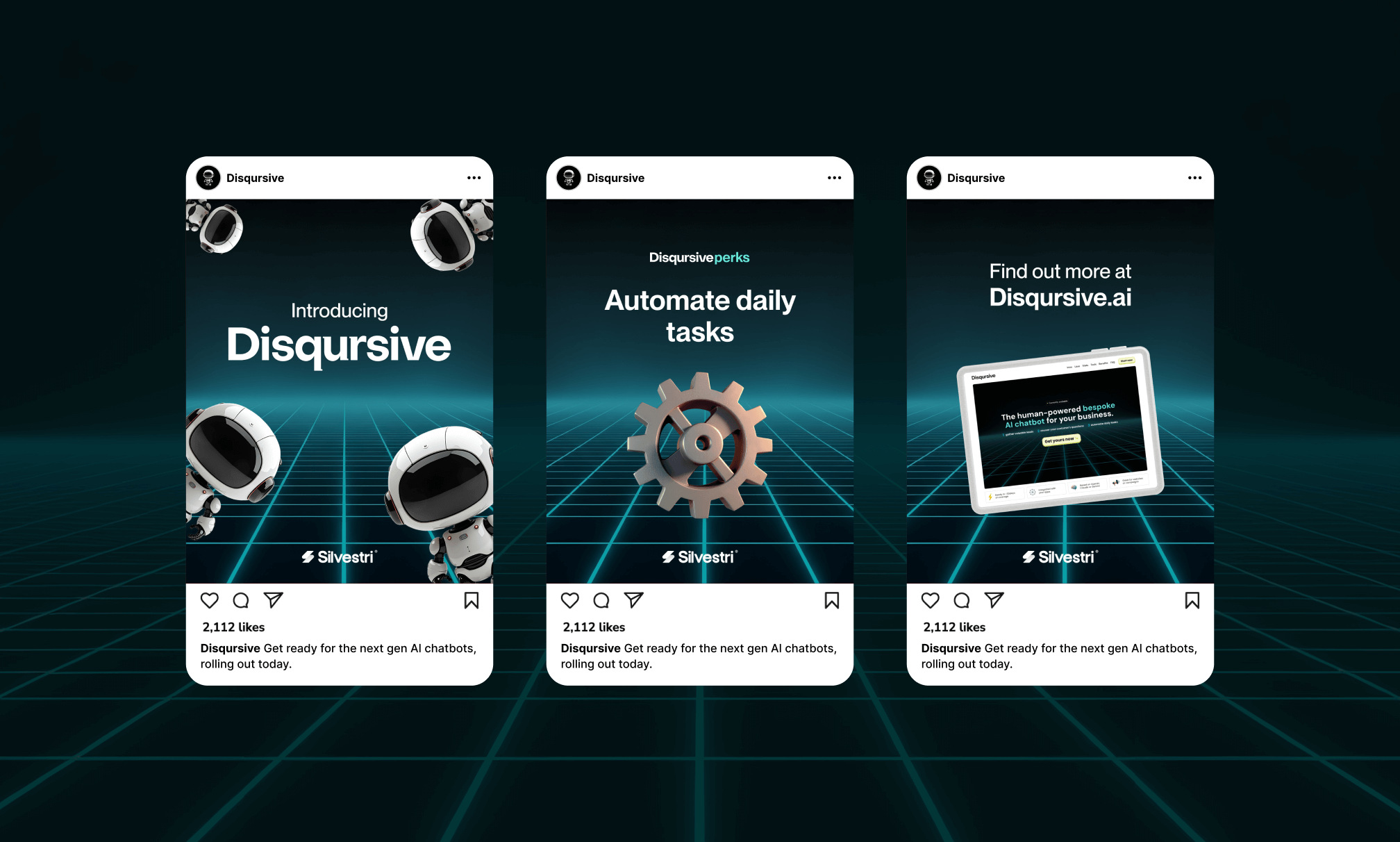
Motion was used as an expressive layer to bring the brand to life and extend the identity beyond static UI.
I designed and produced:
-
A hero presentation video for the mini-site homepage, placed above the fold to quickly explain the service and set the tone..
-
Reusable motion assets adapted for presentations and early-stage promotional use.
-
Social media assets for campaigns, paired with static visuals for organic content.
By treating motion as a modular system rather than a one-off deliverable, the brand gained an additional module to reinforce its identity.
08
Outcome: engagement and early results
Impact & measurement
Given the MVP scope, impact was measured through clarity, engagement and quality of intent rather than scale.
Google Analytics and Hotjar were used to validate whether users understood the service, engaged with the narrative and felt confident enough to move forward through a single conversion path.
Early results & KPIs
Early signals confirmed the effectiveness of the approach:
- +68% average scroll depth, showing strong engagement with the full page narrative
- 2m 45s average time on page, well above typical landing page benchmarks
- +41% interaction with pricing, indicating qualified interest in the offer
- 5.8% conversion rate on the primary CTA
- +27% returning visitors, suggesting early brand recall
Together, these results validated the clarity of the service proposition and the effectiveness of a focused, human-led product experience.
Crediti
| Cliente | Disqursive |
|---|---|
| Role | Product Designer & Creative Director |
| Scope |
Research & Validation Service Design & Pricing Logic Brand Identity & Visual System Product Design (Awareness & Conversion) Motion Design & Activation Assets |
| Delivery | Matteo Miele (Studio Miele) |


 Italian
  English